
When it comes to keeping your home in Quincy, FL cool and comfortable, choosing the right HVAC system is one of the most important decisions you can make. Florida’s hot, humid climate can make even short periods of downtime in your cooling system uncomfortable, and inefficient systems can lead to skyrocketing energy bills. Homeowners today have more options than ever, but two types of HVAC systems tend to stand out: ductless HVAC systems and traditional ducted systems. Understanding the differences, advantages, and limitations of each can help you make an informed decision for your home.
Understanding Traditional HVAC Systems
Traditional HVAC systems, often referred to as central air systems, have been the standard for decades. These systems rely on a network of ducts to distribute cooled or heated air throughout a home.
How Traditional HVAC Works
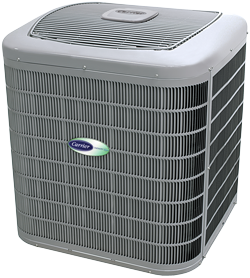
A central air system typically includes a furnace or air handler inside the home and an outdoor condenser unit. Air is cooled (or heated) at the central unit and pushed through ducts to every room via vents. The system is usually controlled by a thermostat, allowing homeowners to adjust temperatures for the entire house simultaneously.
Benefits of Traditional HVAC Systems
-
Whole-Home Comfort: Because air is circulated through a network of ducts, the system can maintain a consistent temperature across your entire home.
-
Reliable Performance: These systems have been around for decades, making them a proven choice for homeowners.
-
Integration Options: Traditional HVAC systems can often be paired with additional home comfort features, such as humidifiers, air purifiers, and smart thermostats.
Considerations for Traditional Systems
While traditional HVAC systems provide reliable, whole-home cooling, there are some factors to consider:
-
Ductwork Maintenance: Leaks, blockages, or dust buildup in ducts can reduce efficiency and impact air quality. According to the U.S. Department of Energy, improperly sealed ducts can reduce system efficiency by as much as 20%.
-
Energy Efficiency: Older ducted systems may consume more energy than modern alternatives, particularly if they are not regularly maintained.
-
Installation Complexity: Installing or replacing a ducted system can be disruptive and may require extensive modifications to your home.
Understanding Ductless HVAC Systems
Ductless HVAC systems, often called mini-split systems, are an increasingly popular alternative to traditional central air systems. Unlike ducted systems, ductless systems do not require a network of air ducts.
How Ductless Systems Work
A ductless system consists of one or more indoor air-handling units mounted in individual rooms or zones, and a single outdoor compressor or condenser unit. Refrigerant lines connect the indoor and outdoor units, allowing each indoor unit to independently cool or heat a specific area of the home.
Benefits of Ductless HVAC Systems
-
Zoned Comfort: Each indoor unit can be controlled independently, making it easy to maintain different temperatures in different rooms. This is especially useful for households with varying comfort preferences.
-
Energy Efficiency: Ductless systems typically use less energy than traditional systems because they avoid the energy losses associated with ductwork. The U.S. Department of Energy estimates that duct losses in central systems can account for more than 30% of energy consumption for space conditioning.
-
Flexible Installation: Without the need for extensive ductwork, ductless systems can be installed quickly and with minimal disruption to your home.
-
Improved Air Quality: Many ductless units include high-quality filtration systems, helping to remove dust, allergens, and other pollutants from your indoor air.
Considerations for Ductless Systems
-
Initial Cost: While the operational savings can be significant, the upfront cost of ductless systems may be higher per unit than some traditional systems.
-
Aesthetics: Indoor units are mounted on walls or ceilings, which may not appeal to every homeowner’s taste.
-
Multiple Units Required: To cool an entire home, several indoor units may be needed, which can add to the initial investment.
Comparing Ductless and Traditional HVAC Systems
Choosing between a ductless and traditional HVAC system depends on several factors, including your home layout, comfort preferences, and long-term energy goals.
Efficiency
Ductless systems generally offer higher efficiency due to their zoned operation and lack of duct-related energy losses. Traditional systems, particularly modern high-efficiency models, can also be energy-efficient if your ductwork is properly maintained.
Installation
Traditional systems may require significant modifications, especially in older homes without existing ductwork. Ductless systems, however, can often be installed in hours with minimal disruption, making them an ideal choice for renovations or additions.
Maintenance
Both systems require regular maintenance to operate effectively. Traditional HVAC systems need routine duct cleaning, filter replacement, and occasional inspections of the blower and furnace. Ductless systems also require filter cleaning and occasional checks of refrigerant lines and condensers, but they generally involve less routine upkeep.
Comfort Control
For homeowners who want precise control over temperature in individual rooms, ductless systems offer a clear advantage. Traditional systems can struggle to maintain consistent temperatures in larger or multi-story homes.
Longevity
Both ductless and traditional systems can last 15–20 years with proper maintenance. The lifespan of a system often depends more on how well it is maintained than on the type of system itself.
Energy Savings and Cost Considerations
While exact costs will vary, it is important to understand the long-term energy implications of each system.
-
Ductless Systems: Their zoned operation allows you to cool or heat only the rooms you are using, which can result in substantial energy savings. According to ENERGY STAR, ductless mini-splits can be 30–40% more efficient than conventional systems in homes without ducts.
-
Traditional Systems: When properly maintained and upgraded with modern energy-efficient components, traditional systems can also provide significant energy savings, particularly in homes that already have ductwork in place.
When to Consider a Ductless System
Ductless systems are particularly beneficial in certain scenarios:
-
Homes without existing ductwork
-
Additions or renovated rooms that need independent climate control
-
Households seeking personalized comfort in individual rooms
-
Homeowners interested in reducing energy consumption and utility bills
When to Consider a Traditional System
Traditional HVAC systems remain an excellent choice for many homeowners, especially when:
-
You want whole-home temperature control
-
Your home already has ductwork in place
-
You are installing additional home comfort features, such as humidifiers or integrated air purification
-
You prefer a more discreet indoor system without visible wall-mounted units
Tips for Maintaining Your HVAC System
Regardless of whether you choose a ductless or traditional system, proper maintenance is key to efficiency and longevity. Some helpful tips include:
-
Regular Filter Changes: Clean or replace filters every 1–3 months to maintain airflow and indoor air quality.
-
Annual Professional Inspections: Schedule yearly inspections to catch minor issues before they become major problems.
-
Keep Outdoor Units Clear: Ensure that condenser units are free of debris, plants, or obstructions.
-
Monitor Energy Usage: Keep track of utility bills to spot unusual spikes that could indicate a problem.
-
Seal Leaks: For ducted systems, check for leaks in ducts to prevent energy losses.
The Importance of Professional Installation and Service
The performance and longevity of any HVAC system depend heavily on professional installation and maintenance. Technicians from trusted companies like Key Heating and Cooling ensure systems are properly sized, installed, and maintained, optimizing efficiency and comfort. Improper installation can lead to uneven cooling, higher energy bills, and more frequent repairs over time.
For HVAC Services in Quincy, FL, Contact Key Heating and Cooling Today
Choosing the right HVAC system is an important decision for every homeowner in Quincy, FL. Whether you are considering a ductless system for precise zoned comfort or a traditional ducted system for whole-home cooling, professional installation and maintenance are critical. Key Heating and Cooling provides expert guidance, reliable service, and professional solutions to keep your home cool, comfortable, and energy-efficient. Reach out to our team today to learn more about the best HVAC options for your home and ensure your system performs at its best for years to come.